On April 17, an annual event for HR directors and business leaders took place in Almaty, hosted by LavoroSolutions in partnership with ManpowerGroup. The 2026 topic: “HR in the New Reality: From Global Experience to Local Solutions.” The weproject.media team attended the event and captured the key takeaways.

This was the first major event under the new name following Manpower Kazakhstan’s rebrand. The team brought together clients and partners to discuss how the labor market is shifting, which solutions actually work in a talent-scarce environment, and how businesses can adapt to new realities.
Across the board, speakers focused on practical tools – from Kazakhstan-specific analytics to concrete workforce models and real-world cases of growth without increasing headcount.
LavoroSolution's Rebrand
As Nikita Zotov, Operations Director at LavoroSolutions CIS, noted, companies today are facing rapid, systemic change: “Up to 90% of any business’s value is its people. That means everything happening in the labor market impacts every industry.”
Against this backdrop, the rebrand wasn’t a formality – it reflected an internal transformation, a shift from being a vendor to acting as an HR partner.
The numbers from 2025 speak for themselves: over 130 clients, 564 placed candidates, an NPS of 75%, and revenue growth of 15.7%. For LavoroSolutions’ partners, this translates into faster project launches, reduced strain on internal teams, and greater agility in unpredictable conditions.
What Exprets Discussed
One of the key sessions focused on Kazakhstan’s current labor market. In her talk “Kazakhstan HR 2026: Trends Here and Now,” Aelita Turtaeva, Business Development Manager at LavoroSolutions, pointed out a paradox: there are plenty of candidates, but filling roles is getting harder. The main reasons? Skills mismatches, rising salary expectations, and an inability to agree on work formats. Competition between industries is intensifying, flexible schedules are becoming more important, Kazakh language skills are increasingly in demand, and employee onboarding processes are growing more complex.

These shifts are echoed at the global level. In his presentation “Mega-Trends That Will Transform the Labor Market by 2030,” Kaan Amac, Global Client Account Director at ManpowerGroup, shared findings from a study covering over 40,000 employers and 12,000 employees across 41 countries.
Key trends include AI-driven role redesign, mandatory employee reskilling, declining trust in systems, and an evolving leadership role. Companies are increasingly moving from gut-feel decisions to data-driven workforce management.
International research findings are also reflected in local case studies. In his talk “Build, Borrow, Outsource: Workforce Models for Turbulent Times,” Yerden Akhmetov, Co-founder of Health Rebels LLP, proposed rethinking the very approach to hiring.
Today, 72% of employers face a shortage of the right skills. In this environment, it’s critical to ask which workforce strategy will actually deliver business results.
The BBO model involves:
Build – developing key competencies internally
Borrow – bringing in scarce expertise from outside
Outsource – shifting repeatable tasks to external providers
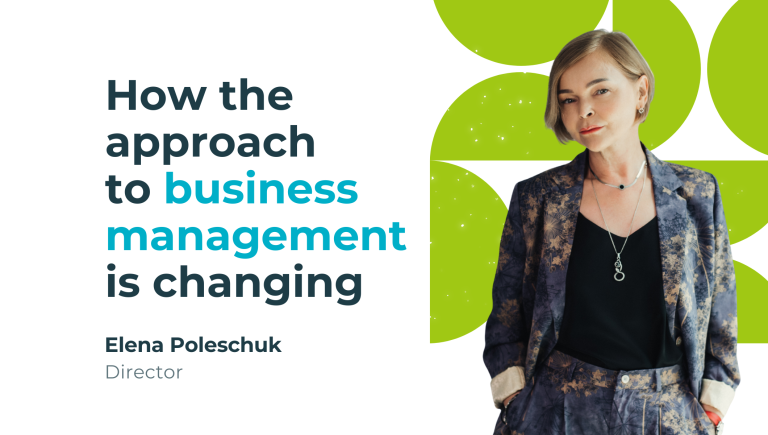
This approach underscores the value of outsourcing for businesses – and LavoroSolutions has been developing this capability in Kazakhstan for years. As company Director Elena Poleshchuk explained: “You transfer certain functions to a provider without increasing your headcount. Responsibility for results and financial risk shifts to the executor.”
A separate session focused on managing people through change. In his talk “Individual Motivation: Theory and Practice,” Arman Kuibagarov, Vice President of HR at Almaty International Airport, shared strategies for working with teams after crises and transformations.
The core challenge for businesses, he noted, is rebuilding trust and employee engagement. His proposed solution lies in applying organizational behavior principles – a practical toolkit that blends psychology, sociology, and management to help leaders better understand how people behave within companies.

The theme of employee development continued with Ainur Bazil, HR Business Partner at KPMG, in her talk “Fire or Keep: How Reflection Changes the Game.”
According to her data, regular reflection can boost employee performance by 23%. The key shift in approach: the employee becomes an active participant in the process, not merely a subject to be managed. This brings greater clarity, increases accountability, and makes change more sustainable.
Even seemingly tactical tools like corporate merch are now being viewed through a strategic lens. In a presentation by event partner Kolibri Advertising Studio, marketing expert Akmaral Amangaliyeva noted that a purely formal approach to promo products no longer works. Merch delivers results only when it’s tied to business objectives, accounts for different audiences and usage scenarios, and offers genuine value to the recipient.

The event of HR experts made one thing clear: Kazakhstan’s labor market has entered a new phase. Skills shortages, rising expectations, and intense competition for candidates demand not piecemeal fixes but a fundamental rethinking of how businesses manage their people.
This is precisely where LavoroSolutions focuses its efforts – combining global expertise with local solutions, and positioning itself not merely as a vendor but as a partner that helps businesses navigate new challenges.
Want to receive invitations to LavoroSolutions’ free expert events? Follow the company’s LinkedIn page.
Source: weproject.media 04/24/2026 / HR in the new reality: what solutions are companies looking for in Kazakhstan and what the LavoroSolutions event showed