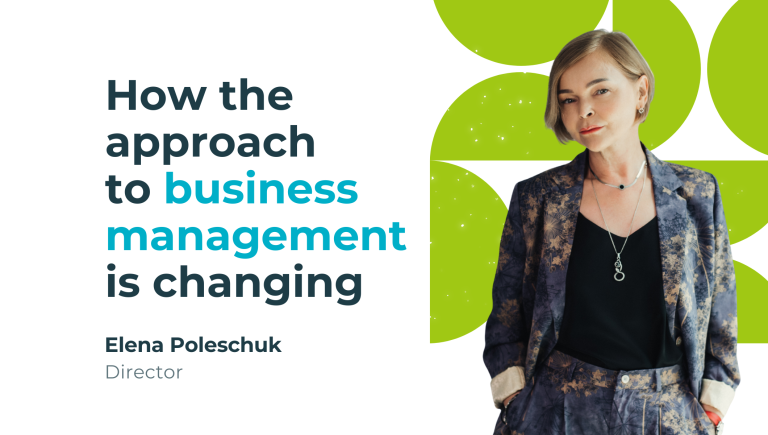
How do you retain and grow talent? How do you positively influence team morale and efficiency? These are pressing questions for today’s leaders and HR professionals.
The constant struggle with uncertainty faced daily takes a significant toll on mental well-being. Many employees, including managers, experience persistent tension, low mood, and anxiety, which negatively impacts mental health and team productivity. Leaders burn out, employees disengage, and the business loses its competitive edge.
How can managers address stress and effectively support their teams?
Schedule Regular One-on-One Check-ins
How often do you ask your team members how they’re feeling, what interests them, or what worries them? Make this a rule and become a mentor. Communicate with your team to gauge their emotional state. Only open, honest dialogue allows a manager to assess colleagues’ stress levels and help them cope. This requires genuine emotional engagement and empathy from the leader; a formal approach is a waste of time.
Be Mindful of Your Own Stress Level
Self-awareness helps managers understand how their own stress affects the team. Under pressure, people often become self-focused and lose the capacity to care for or support others. Leaders must learn to see themselves through their team’s eyes. This self-reflection is key to understanding your own state, maintaining positive team communication, and providing constructive feedback.
Prioritize Self-Care
The goal isn’t to eliminate stress entirely but to learn to manage it within a balanced environment. A strong corporate culture, trust, and personal engagement from both managers and employees are crucial for mental health. Equally important is prioritizing self-care outside of work. A balance must be struck between professional and personal time. Take care of your own well-being and health.
You can’t run from stress. The key is to learn to understand and manage it. Doing so will help a leader build a resilient team, ready to face challenges and difficulties, ultimately making the company stronger.
Image: Freepik