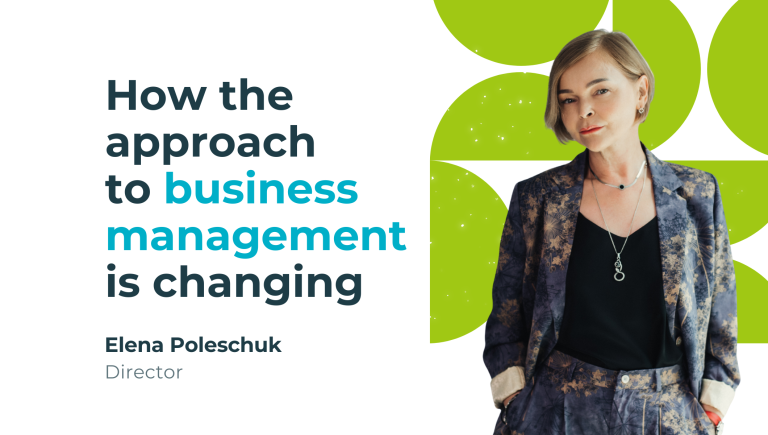
An “About Me” section is a two-to-five paragraph text in your resume, on a personal or professional website, or in a blog that describes who you are and what you do. Potential clients, employers, and other contacts may visit this page to learn more about you — building trust and connection.
Your “About Me” Page Should Include:
- Who you are and what you do
- How you arrived at your current position
- Where you want to go next
How to Begin?
The following exercises will help you determine what to include based on your target audience. Spend about five minutes on each question. Sample responses are provided, but be sure to adapt them to your own experience.
- What are you currently doing in your career, and how did you get here? What makes your background unique?
“I am a Brand Marketing Director with experience managing global teams and multi-million dollar campaigns. Throughout my career, I have developed extensive expertise in brand strategy, visual design, and account management.”
- What excites you most about your profession, and why?
“I love delving into the nuances of cross-cultural advertising. I consider myself a ‘lifelong student’ and strive to deepen my academic knowledge of psychology and sociology while staying current with the latest digital marketing strategies through ongoing coursework.”
- What do you consider one of your greatest professional or personal achievements? What qualities contributed to these accomplishments? Be as specific as possible.
“I led award-winning international campaigns for renowned brands including Puma, Gucci, and Rolex at the Rockwell Group. I significantly increased my team’s productivity by implementing strategic project management methods while maintaining work-life balance within my department.”
- What are you seeking right now? If you’re job searching, considering a career change, or open to projects, indicate this. Include your email address in the final sentence so people can easily contact you.
“Mindfulness in the workplace is key to success — this is my guiding principle. To remain mindful, I practice yoga, meditation, gardening, and painting. I currently work as a freelance Marketing Director and am always interested in new opportunities. You can reach me at elena.ivanova@email.com.”
After completing these exercises, you’ll have material to work with. Ideally, each response flows naturally into the next.
Sample “About Me” Page
When you connect the pieces and organize your responses into paragraphs, it might look something like this:

Tips for Writing an Excellent “About Me” Page
- Keep It Concise. Your reader’s attention span will likely be limited. Aim for 250–500 words. If your section runs long, use bold text or bullet points to break up the content.
- Stay Humble. While including achievements and experience is important, do so reasonably. Avoid extravagant claims like “I’m the best marketing professional” or “Any company that hires me is lucky to have me”—such statements will harm rather than help your prospects.
- Write in Your Own Voice. Don’t borrow phrases from business textbooks. Strike a balance between conversational and professional styles. You wouldn’t introduce yourself exactly as you would to a new acquaintance at a bar, but you also shouldn’t sound like a politician running for office. Be genuine about your interests and goals.
- Use Humor Naturally. Humor can be effective, but avoid forced jokes. Let wit emerge organically rather than trying too hard to be funny.
- Be Authentic. Your “About Me” page should reflect your genuine interests, whether personal or work-related. You never know when someone might reference your content to start a conversation. If you don’t actually practice yoga, don’t claim you do. If you dislike account management, don’t write that you’re passionate about client experience.
- Proofread Thoroughly. Typos undermine professionalism. Carefully review your page when finished, and ask a friend to do the same. Print it out and read it aloud—this helps catch typos or grammatical errors and ensures the text reads naturally and sounds like you.
- Include Relevant Links. Hyperlink your email address. If you use the word “experience,” consider linking to your LinkedIn profile. When mentioning specific projects, add links where possible — whether to your portfolio, a positive news article, or even a blog post discussing your work.
- Update Regularly. Your “About Me” page is a living document. Whenever inspiration strikes, return and refresh it to accurately reflect where you stand professionally and personally.
Frequently Asked Questions
- Where else can I use my “About Me” content?
You can adapt this information for your LinkedIn profile and other professional websites where you maintain a presence.
- Do job seekers need a personal website?
A personal website can help candidates showcase their experience and portfolio, share information about skills and qualities, and promote their candidacy. It’s an excellent resource for providing additional information to potential employers, but it’s not required.
Summary
- Use an “About Me” page to show potential employers, clients, and colleagues what you do and what you’ve achieved.
- Consider adding a professional photo to make your page feel complete and more engaging.
- Don’t forget to include your contact information and links to your social media profiles.
- Take time to keep your page current.
Image: Freepik